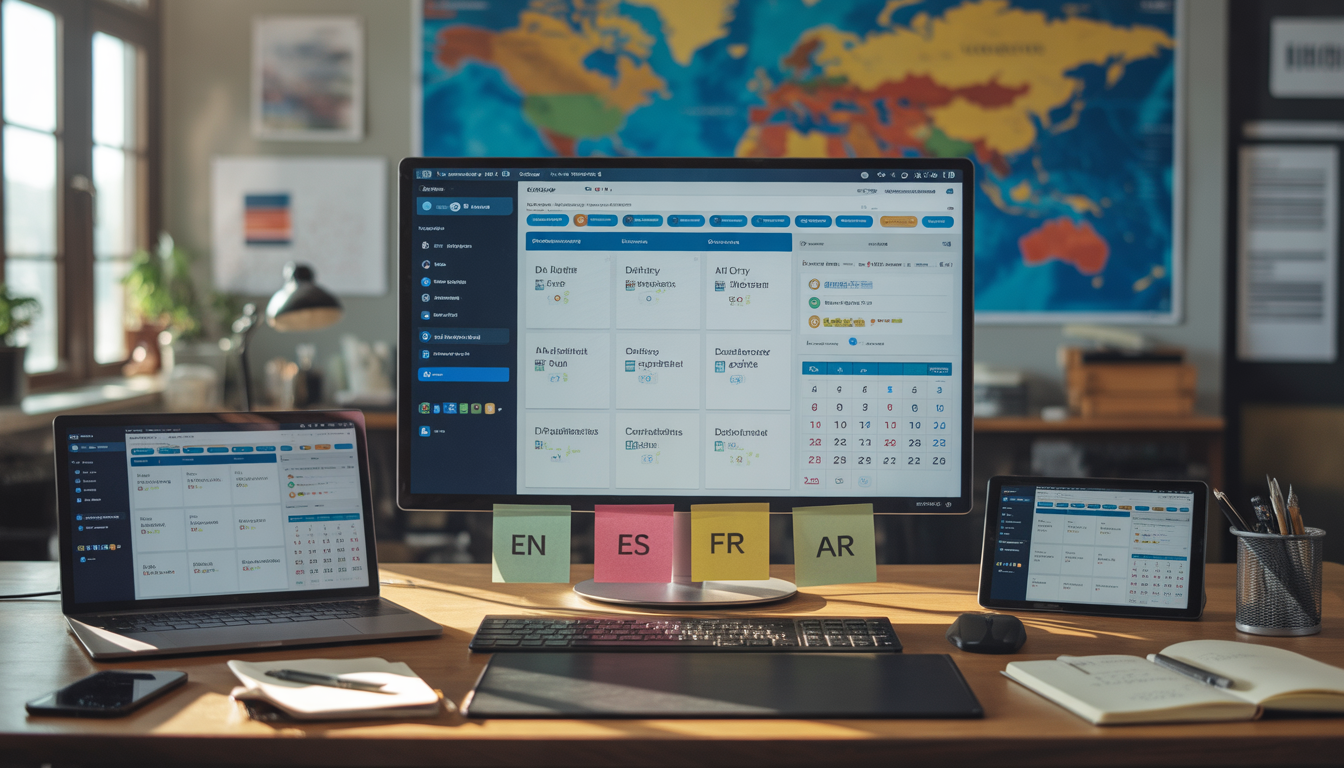
Global Content Management: The Simple Guide to Scaling Content Worldwide
Introduction
Creating content is hard. Managing content across multiple countries, That’s a whole different challenge.
You publish blogs, videos, or social posts but when it comes to global audiences, things start to break:
- Content feels inconsistent
- Messaging gets lost in translation
- Teams struggle to stay aligned
And slowly, your growth slows down. That’s where global content management comes in. It helps you organize, adapt, and scale your content so it works everywhere, not just locally. In this guide, I’ll explain everything in a simple, practical way. No complicated terms. Just clear steps you can follow.
What Is Global Content Management?
Global content management is the process of creating, organizing, and distributing content across different countries and languages.
It ensures that:
- Your message stays consistent
- Your content feels local
- Your team stays organized
You’re managing one brand voice but delivering it in different ways for different audiences.
Why Global Content Management Matters
Without a proper system, global content can become messy very quickly. You might have different versions of the same content, inconsistent messaging, and teams working out of sync. Over time, this creates confusion, not just for your team, but for your audience too.
That’s why global content management is so important
1. Consistency Across Markets
Your brand should feel the same no matter where people see it.
Even if content is localized, your voice, message, and identity should stay consistent. This builds trust and makes your brand more recognizable worldwide.
2. Faster Content Production
When you have a clear system, everything becomes easier. Your team knows what to do, how to do it, and when to do it. This speeds up content creation and helps you publish more without confusion.
3. Better Audience Experience
People connect better with content that feels familiar and relevant. Localized content speaks their language and reflects their culture. This leads to higher engagement, better understanding, and stronger connections.
4. Scalable Growth
Without structure, scaling becomes chaotic. But with a solid content management system, you can expand smoothly into new markets. You grow faster without losing control or quality.
Global vs Local Content Management
| Feature | Local Content Management | Global Content Management |
| Scope | One region | Multiple countries |
| Language | Single | Multiple |
| Complexity | Low | Medium to high |
| Content Adaptation | Minimal | High |
| Growth Potential | Limited | Very high |
Key Elements of Global Content Management
To manage content globally, you need a strong system.
1. Centralized Content Strategy
Start with a core strategy.
This includes:
- Your main message
- Brand voice
- Content goals
Everything else builds from this foundation.
2. Content Localization
This is where content becomes global-ready.
Localization includes:
- Language adaptation
- Cultural relevance
- Local examples and visuals
It’s not just translation, it’s transformation.
3. Content Workflow System
You need a clear process.
For example:
- Create → Review → Localize → Publish → Update
This keeps everyone aligned and avoids confusion.
4. Collaboration Across Teams
Global content often involves multiple teams.
- Writers
- Translators
- Designers
- Marketers
Clear communication is key to maintaining quality.
5. Content Storage & Organization
Use a system to store and manage content.
- Organized folders
- Version control
- Easy access
This saves time and avoids duplication.
PAS Framework for Global Content Management
Problem
Managing content across different countries quickly becomes chaotic. You end up with multiple versions of the same content, inconsistent messaging, and teams working in silos. One market says one thing, another says something slightly different—and your brand starts to lose clarity. Without a system, things don’t just get busy, they get messy.
Agitation
Now this problem starts creating bigger issues.
- Audiences get confused because your message isn’t consistent
- Your brand identity becomes weak and unclear
- You miss opportunities because content isn’t optimized for each market
And worst of all, your team spends time and effort creating content that doesn’t perform. It’s not just inefficient, it slows down your growth.
Solution
This is where a structured global content management system makes all the difference. It helps you:
- Keep your messaging consistent across all markets
- Scale content smoothly without starting from scratch every time
- Deliver better, more localized experiences to your audience
With the right system in place, everything feels more organized, more efficient, and much easier to manage.
Step-by-Step: How to Manage Global Content
Step 1: Create a Master Content Version
Start by creating one high-quality “master” version of your content. This could be a blog post, video script, or social media campaign. Make sure it is well-written, clear, and aligned with your brand message. This master version acts as the foundation that you will adapt for different markets, so getting it right is important.
Step 2: Identify Target Markets
Next, decide which countries or regions you want to target. Don’t try to go everywhere at once. Instead, focus on markets where there is strong demand, a relevant audience size, and real content opportunities. Choosing the right markets helps you focus your time and resources where they will have the most impact.
Step 3: Localize the Content
Now adapt your master content for each target market. This goes beyond simple translation. You should adjust the language, tone, examples, and cultural references so the content feels natural to local audiences. The goal is to make your content feel like it was originally created for that specific audience, not adapted as an afterthought.
Step 4: Use a Workflow System
Set up a clear workflow so everyone on your team knows what to do. This typically includes stages like content creation, review, approval, and publishing. When each step is clearly defined, it reduces confusion and improves efficiency. A proper workflow ensures consistency and helps maintain quality across all markets.
Step 5: Track Performance
Once your content is published, monitor how it performs in each market. Look at key metrics such as engagement, traffic, and conversions to understand what’s working and what isn’t. Use this data to refine your strategy, improve future content, and make smarter decisions over time.
When you follow these steps consistently, managing global content becomes much more organized, scalable, and effective.
Common Mistakes to Avoid
Avoid these mistakes when managing global content:
- No clear system or workflow
- Relying only on translation
- Inconsistent branding
- Poor team communication
- Not updating content regularly
Small mistakes can create big confusion.
Tools for Global Content Management
You don’t need a large team to manage global content effectively, what you really need is the right set of tools to support your workflow. These tools help you stay organized, save time, and maintain consistency as you scale your content across different markets.
- Content Management Systems (CMS) are the foundation of your setup. They help you organize, store, and publish content in a structured way. With a good CMS, you can manage multiple pages, versions, and languages without getting lost in files or spreadsheets.
- Translation and localization tools make it easier to adapt your content for different audiences. Instead of manually rewriting everything from scratch, these tools help speed up the process of translating and adjusting content so it feels natural in each target language and region.
- Collaboration tools are essential when working with teams. Whether you have writers, designers, translators, or marketers, these tools keep everyone on the same page. They improve communication, streamline feedback, and ensure that tasks move smoothly from one stage to another.
- Analytics tools help you understand how your content is performing across different markets. By tracking metrics like engagement, traffic, and conversions, you can see what’s working and what needs improvement.
Remember, tools alone are not enough, they don’t replace strategy. But when used correctly, they make execution much easier, faster, and more efficient.
Benefits of Strong Global Content Management
When done right, you get:
- Better content consistency
- Faster scaling across markets
- Higher engagement rates
- Improved team efficiency
- Stronger global brand presence
It turns chaos into clarity.
FAQs About Global Content Management
1. What is global content management?
It’s the process of creating, organizing, and distributing content across multiple countries and languages. It ensures your content stays consistent while still being adapted for different audiences.2. Is it only for big companies?
No, it’s not limited to large organizations. Even small teams, startups, and individual creators can benefit from it. With the right tools and approach, anyone can manage global content effectively.3. What is the difference between translation and localization?
Translation focuses on converting text from one language to another, while localization adapts the content to fit cultural context, tone, and audience expectations. Localization goes deeper than words, it makes content feel natural and relevant.4. Why is consistency important?
Consistency helps maintain a strong and recognizable brand identity across all markets. When your message and tone remain consistent, people trust your brand more easily.5. Do I need separate content for each country?
In most cases, yes. While the core message can stay the same, localized content performs better because it resonates with the specific audience. Small adjustments can significantly improve engagement and results.6. What tools should I use?
You can use a combination of CMS platforms, translation or localization tools, collaboration tools, and analytics platforms. These tools help you organize content, streamline workflows, and measure performance effectively.7. How do I manage multiple teams?
Use clear workflows, defined roles, and good communication systems to keep everyone aligned. When each team member knows their responsibilities, the process becomes smoother and more efficient.8. How often should I update content?
Content should be reviewed and updated regularly based on performance data and changes in the market. Keeping content fresh ensures it remains relevant and effective over time.9. Is global content management expensive?
It can vary depending on your approach and scale, but you don’t need a huge budget to start. You can begin small, use affordable tools, and expand gradually as your needs grow.10. What is the biggest mistake?
The biggest mistake is not having a structured system in place. Without a clear process, content becomes disorganized, inconsistent, and harder to scale globally.Conclusion
Global content can feel overwhelming. But it doesn’t have to be. With the right system, you can:
- Stay organized
- Scale faster
- Reach audiences worldwide
Start simple, Create one piece of content, Turn it into multiple localized versions, Build your system step by step. That’s how global content success begins.
If you’re serious about growth, don’t wait.
Start managing your content globally today.