What Is Dubbing? A Simple Guide Anyone Can Understand
Introduction
Have you ever watched a cartoon, movie, or YouTube video where the people on screen are clearly speaking one language but you hear another?
It feels a bit strange at first, right? Like something doesn’t fully match but you still understand everything perfectly.
That’s called dubbing.
And even if you’ve never thought about it before, you’ve definitely seen it many times. It’s used in movies, TV shows, anime, YouTube videos even in ads.
The interesting part, Dubbing isn’t just about changing voices. It’s actually a powerful way to help content travel across the world. Without it, a lot of your favorite shows would only be understood by a small group of people.
So let’s break it down in the simplest way possible. No complicated words. No confusing explanations. Just clear, real understanding.
What Is Dubbing?
Let’s keep it super simple.
Dubbing means replacing the original voice in a video with a new one.
That’s it. Imagine someone made a video in English. Now, people in Spain want to watch it but they don’t understand English very well. Instead of adding subtitles, someone records the same dialogue in Spanish and replaces the original audio.
Now the video feels like it was made for Spanish viewers.
That’s dubbing.
Another easy way to think about it:
The video stays the same. The voice changes.
Why Do People Use Dubbing?
At first, you might wonder why go through all that effort just to change a voice?
Well, there are some pretty strong reasons.
1. To Reach More People
Not everyone speaks the same language. That’s obvious.
But what’s interesting is this, most people prefer to watch content in their own language. It just feels easier. More natural.
So if you dub your content into different languages, suddenly a lot more people can enjoy it.
It’s like opening the same door for people from different countries.
2. To Make Watching Easier
Let’s be honest. Subtitles can be annoying sometimes.
You have to keep reading while watching. If the video is fast, you might miss something.
Dubbing removes that problem. You just watch and listen. No extra effort.
3. To Fix Bad Audio
Sometimes videos don’t sound good. Maybe there was noise in the background. Maybe the microphone wasn’t clear.
Instead of re-recording the whole video, creators can just dub the voice again.
Problem solved.
4. To Tell Stories Better
Dubbing isn’t only for translation. It’s also used for storytelling.
For example:
- Adding narration to a documentary
- Giving voice to animated characters
- Making content more emotional or dramatic
In simple words, dubbing can make a video feel more alive.
How Does Dubbing Work?
Now you might be thinking, “Okay, I get what dubbing is but how do people actually do it?”
Good question. Let’s walk through it step by step.
Step 1: Understanding the Script
First, the original dialogue is written down.
If the dubbing is for another language, it gets translated. But here’s the tricky part, it’s not just about translating words.
The meaning, tone and emotion must stay the same.
For example, a joke in English might not make sense in another language. So it gets adjusted.
Step 2: Recording the Voice
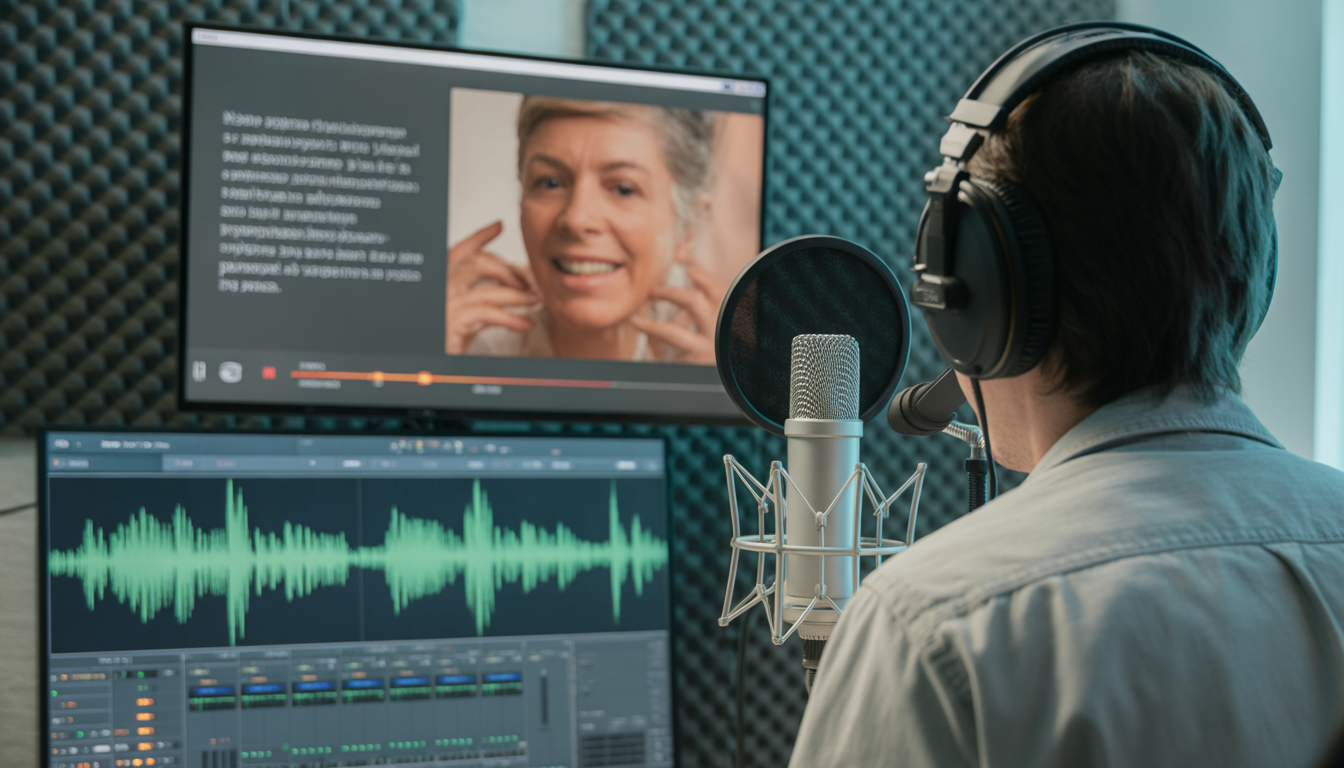
Next, someone records the new voice.
This could be:
- A professional voice actor
- A content creator
- Or even an AI voice
The goal is simple: sound natural and match the feeling of the original scene.
Step 3: Matching the Timing
This part is a bit technical but still easy to understand.
The new voice has to match the video timing.
If a character speaks for 5 seconds, the dubbed voice should also fit into those 5 seconds.
Sometimes the words are adjusted slightly to make it fit perfectly.
Step 4: Editing Everything Together
Finally, the audio is cleaned and added to the video.
Background sounds, music, and effects are balanced so everything feels smooth.
And just like that the dubbing is complete.
Different Types of Dubbing
Not all dubbing is the same. There are a few different styles, depending on the situation.
1. Language Dubbing
This is the most common type.
It’s used to change the language of a video. For example:
- English movie → Urdu dubbing
- Japanese anime → English dubbing
2. Voice Replacement
Sometimes the language stays the same, but the voice changes.
This happens when:
- The original audio is poor
- The voice needs improvement
- Something went wrong during recording
3. Lip-Sync Dubbing
This is the most advanced type.
Here, the voice is matched very closely with the lip movements of the person on screen.
It’s not easy. It takes skill and practice. But when done well, it looks very natural.
4. Voiceover Style (Non Lip-Sync)
This is more relaxed.
The new voice plays over the original audio, instead of perfectly matching it.
You’ve probably heard this in documentaries or news videos.
Why Dubbing Is So Powerful
Let’s slow down for a moment and really think about this. On the surface, dubbing seems like a small thing. You’re just swapping one voice for another, but when you look a little closer, it’s actually doing something much bigger behind the scenes. It’s changing who can understand your content and how they connect with it.
That’s where the real power comes in.
1. It Breaks Language Barriers
Imagine you create an amazing video. It’s funny, helpful, or maybe even life-changing. Now imagine only people who speak your language can understand it. Everyone else? They scroll past.
That’s a huge limitation.
Dubbing removes that wall completely.
Instead of your content being “local,” it becomes global. Someone sitting in a different country, with a different language, can watch your video and feel like it was made just for them. And that’s a big shift. Because once your content starts crossing borders, your audience is no longer limited by geography. It grows based on value, not language.
2. It Increases Engagement
When people watch a video, they don’t want to work too hard. They don’t want to keep reading subtitles while trying to follow visuals at the same time.
It can feel tiring.
Dubbing makes everything easier. You just press play and understand everything instantly.
That ease makes a difference. People stay longer. They focus more. They enjoy the experience instead of putting in effort to keep up.
And when people enjoy something, they’re more likely to:
- Watch till the end
- Like or share the video
- Come back for more
So it’s not just about understanding, it’s about keeping attention.
3. It Creates Real Opportunities
More viewers doesn’t just mean bigger numbers on a screen. It opens doors. When your content reaches more people, it naturally leads to growth. And that growth can show up in different ways:
- More followers: your audience expands faster
- More income: through ads, sponsorships, or sales
- More influence: people start recognizing and trusting your content
And the best part, You didn’t create something new from scratch. You simply gave your existing content a new voice. It’s like turning one video into many versions of itself, each one connecting with a different audience.
Dubbing isn’t just a technical trick. It’s a smart way to take what you already have and make it work harder for you.
Same effort.
Same content.
Much bigger impact.
A Simple Reality Check (PAS Framework)
Let’s keep this honest and simple for a moment. No fancy talk just the reality most people overlook.
Problem
Right now, your content exists in only one language. That might feel normal, because that’s how you created it. But here’s the thing, you’ve automatically limited who can understand it. If someone doesn’t speak that language, your video could be the best in the world and they still won’t watch it. Not because it’s bad but because they simply can’t connect with it.
Agitation
There are millions even billions of people online who might enjoy your content, learn from it, or share it but they never will. They’ll scroll past it. Ignore it. Or leave after a few seconds. Not because they don’t like it but because they don’t understand it.
And that’s the frustrating part.
All that effort you put into creating something valuable? It’s only reaching a small portion of the audience it actually could.
You’re not just missing views.
You’re missing opportunities, growth and impact.
Solution
This is where dubbing changes the game. Dubbing gives your content a new voice, literally. It allows the same video to speak different languages, connect with different people and feel natural to completely new audiences.
You don’t need to create new content from scratch. You don’t need to start over. You simply adapt what you already have and suddenly, your content isn’t limited anymore.
It becomes something bigger.
Same video.
Different language.
Much wider reach.
That’s the power of dubbing.
Dubbing vs Subtitles
People often compare dubbing with subtitles. So let’s make it clear.
| Feature | Dubbing | Subtitles |
| Easy to watch | Very easy | Requires reading |
| Effort needed | Low | Medium |
| Cost | Higher | Lower |
| Engagement | Higher | Lower |
| Experience | Feels natural | Feels divided |
Where You See Dubbing Every Day
Even if you don’t notice it, dubbing is everywhere.
- Movies and TV shows
- Cartoons and anime
- YouTube videos
- Online courses
- Advertisements
- Video games
Once you start paying attention, you’ll notice it a lot more.
Can You Start Dubbing Yourself?
Short answer: yes, you absolutely can. And you don’t need a fancy studio, expensive microphones, or a professional setup to begin. That’s a common myth. Most people wait too long because they think they need everything perfect first. You don’t.
In fact, it’s better to start small and learn as you go. Think of it like this, nobody gets good at something before they even try it. Dubbing is the same. Your first attempt might feel a little awkward, and that’s completely normal. What matters is getting started.
Here’s how you can begin:
- Use simple AI voice tools There are many beginner-friendly tools that can generate voiceovers quickly. You just type your script and the tool turns it into speech. It’s fast, easy and great for practice.
- Try basic audio editing apps You don’t need complicated software. Even simple apps can help you trim audio, adjust timing and clean up sound. Start with the basics, cut, sync, and export.
- Record your own voice This is one of the best ways to learn. Use your phone or a simple microphone. Focus on speaking clearly and matching the timing of the video. Over time, your confidence and quality will improve.
Don’t aim for perfection at the start. Aim for progress. Try dubbing one short video. Then another. Each time, you’ll notice small improvements. And before you know it, something that once felt difficult will start to feel natural. Because at the end of the day, dubbing isn’t about having the best tools, it’s about starting, learning, and getting better step by step.
FAQs About Dubbing
1. What is dubbing in simple words?
Dubbing means replacing the original voice in a video with a new one. So the video stays the same, but the voice you hear is different. It could be in another language or just a clearer version of the same speech.2. Is dubbing hard to learn?
Not really. It might feel a bit tricky in the beginning, especially when you try to match timing and emotion. But like any skill, it gets easier the more you practice. Start with short clips, and you’ll improve step by step.3. Is dubbing better than subtitles?
In many cases, yes. Dubbing lets you watch and listen without needing to read anything. It feels more natural and relaxed. Subtitles are useful too but dubbing usually creates a smoother experience.4. Can kids understand dubbing?
Yes, very easily. In fact, a lot of cartoons and animated movies use dubbing, so kids can enjoy them in their own language without any confusion. It’s simple and very effective.5. Do YouTubers use dubbing?
Yes, and it’s becoming more common every day. Many YouTubers dub their videos into different languages to reach a wider audience. It helps them grow faster and connect with viewers from different countries.6. Is dubbing expensive?
It depends on how you do it. Professional dubbing with voice actors can cost more. But if you’re just starting, there are affordable options like AI tools or recording your own voice. So you can start small and upgrade later.7. Can AI do dubbing?
Yes, and it’s getting better very quickly. AI tools can turn text into voice and even match tones quite well. It’s a great option for beginners who want fast and simple results.8. Why do movies use dubbing?
Movies use dubbing to reach people in different countries. Not everyone understands the original language, so dubbing helps make the movie accessible and enjoyable for a global audience.9. Does dubbing change the story?
No, it doesn’t change the story itself. The goal is to keep the same meaning, emotions, and message just in a different voice or language.10. Can I practice dubbing at home?
Yes, you definitely can. You don’t need special equipment to start. Just pick a short video, mute the original voice, and try recording your own version. It might feel a little funny at first but that’s part of the learning process.11. How long does it take to get good at dubbing?
It’s different for everyone. Some people improve quickly, while others take more time. The key is consistency. Even a little practice every day can make a big difference over time.12. Do I need a perfect voice to start dubbing?
Not at all. You don’t need a “perfect” or professional voice. What matters more is clarity, timing, and expression. With practice, your voice will naturally improve and sound more confident.Conclusion: So, Should You Care About Dubbing?
If you’re just watching videos, dubbing makes things easier and more enjoyable.If you’re creating content, dubbing can change everything.
It helps your videos:
- Reach more people
- Feel more natural
- Grow faster
And the best part, You don’t need to wait. You don’t need perfect tools. Just take one video. Try dubbing it. See what happens. Because once your content starts speaking more than one language, It doesn’t just grow.
It multiplies.